
Explore: Hand dryers | Lighting | Air treatment | Vacuum cleaners | Hair care

Hand dryers
Only a Dyson dries like a Dyson
Hygienic and independently proven safe.
Touch free. HEPA-filtered. No paper waste.
Dyson hand dryers help to create a cleaner, more hygienic washroom.
Save on costs, washroom space and CO₂ emissions, with no single-use paper waste.
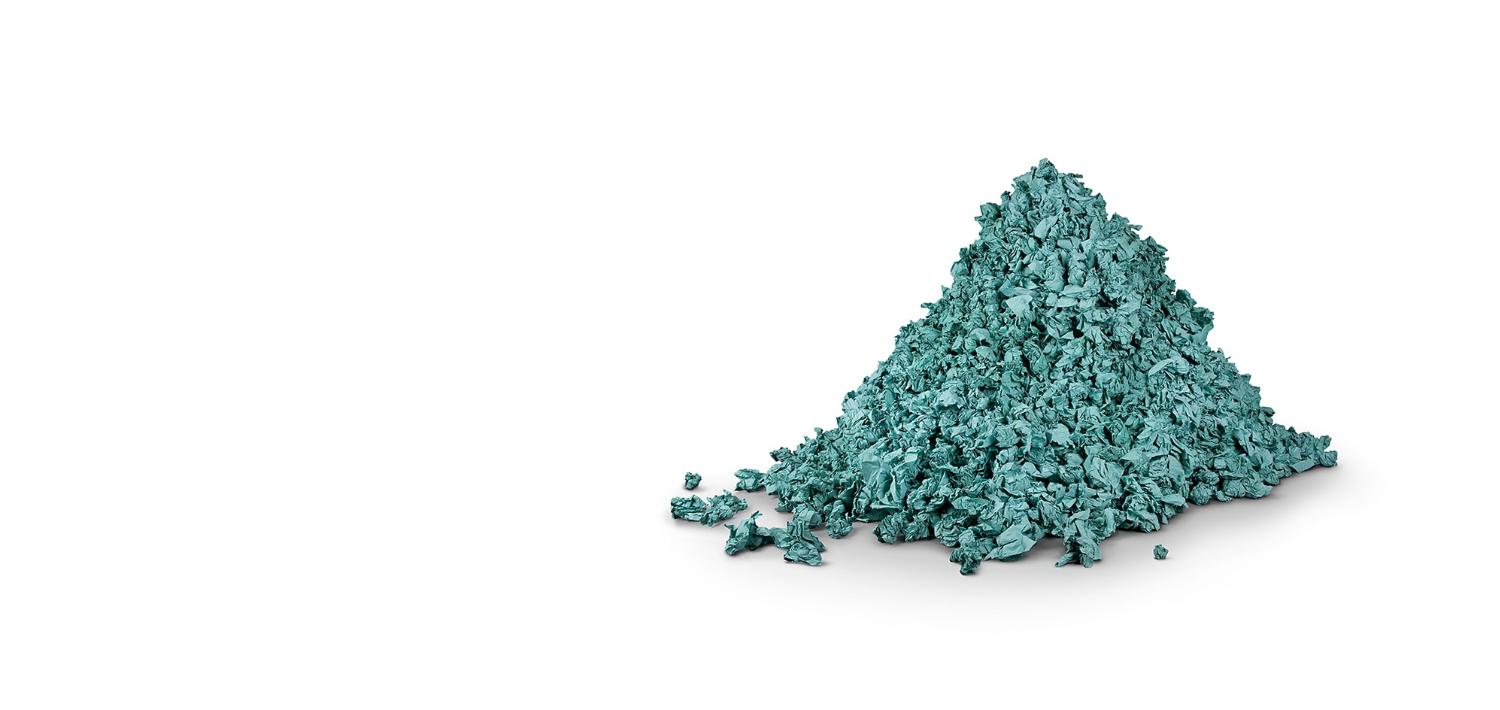
Save when you switch to Dyson hand dryers
Reduce carbon emissions and running costs, with up to 88% less CO₂. Costs up to 99% less to run than paper towels.¹
Compare Dyson's latest technology
Since the launch of the first Airblade™ hand dryer in 2006, Dyson has continued to evolve its hand dryer technology.
The Dyson Airblade 9kJ is our most cost and energy efficient hand dryer at just £19 a year to run in Eco mode.
Dyson hand dryers
Dyson hand dryers are engineered for high-traffic. Featuring exclusive Dyson technology to enhance client, customer and employee’s experience of your business. All Dyson hand dryers come with a 5-year guarantee and HEPA filters.
-


The fastest most energy efficient HEPA-filtered hand dryer¹
• Dry time: 10-12 seconds
• Noise level: 77dB in Eco mode
• Rated power: 900W (Max), 650W (Eco)
• Dimensions: H 500 x L 100 x W 450 mm£999.00 (Excl VAT)
£1,198.00 (Incl VAT)

-

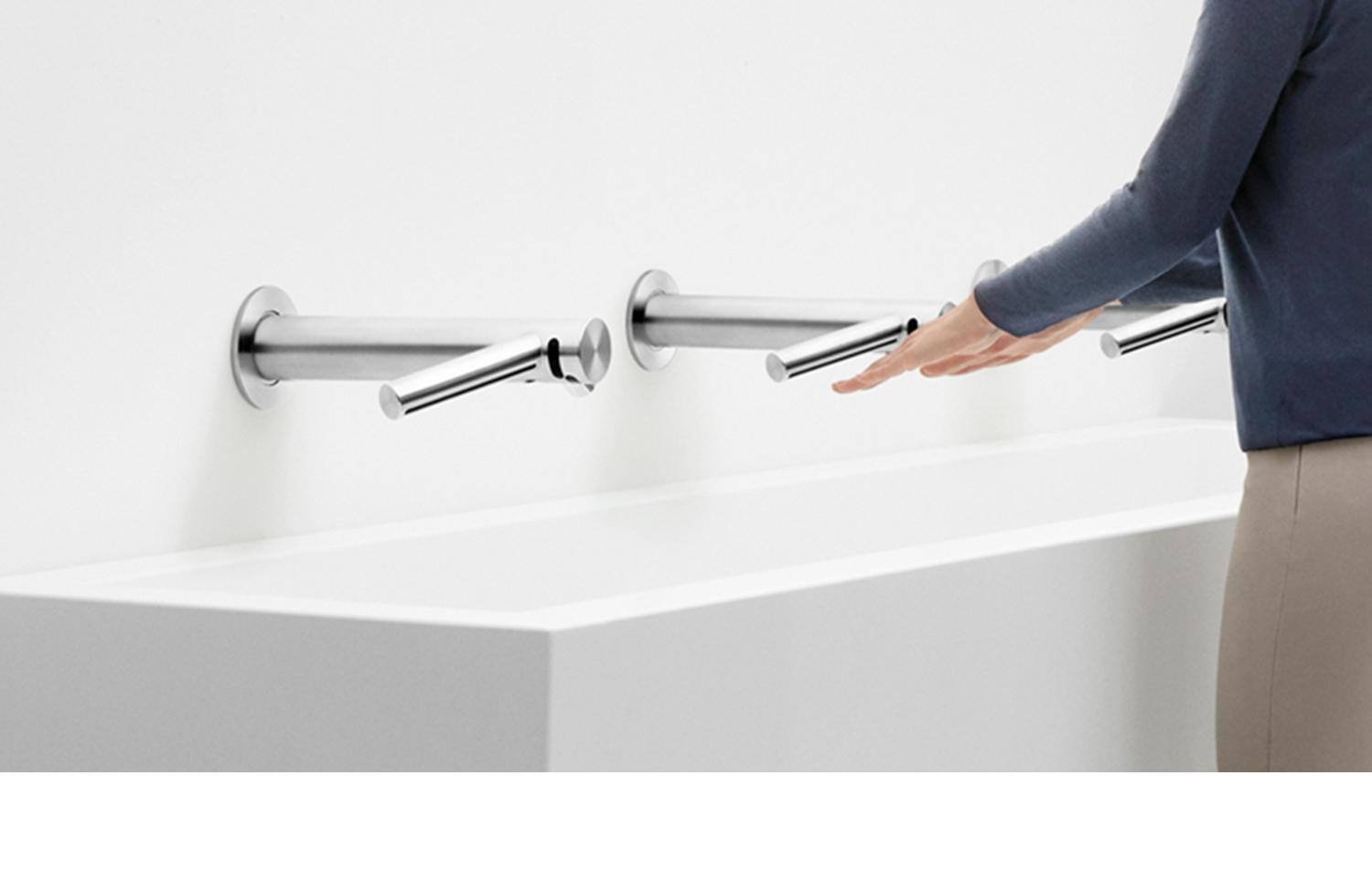
Wash and dry your hands at the sink with Airblade™ technology
• Dry time: 14 seconds
• Noise level: 81dB
• Rated power: 1,000W
• Dimensions: H 159 x L 286 x W 303 mm£1,249.99 (Excl VAT)
£1,499.99 (Incl VAT)

-
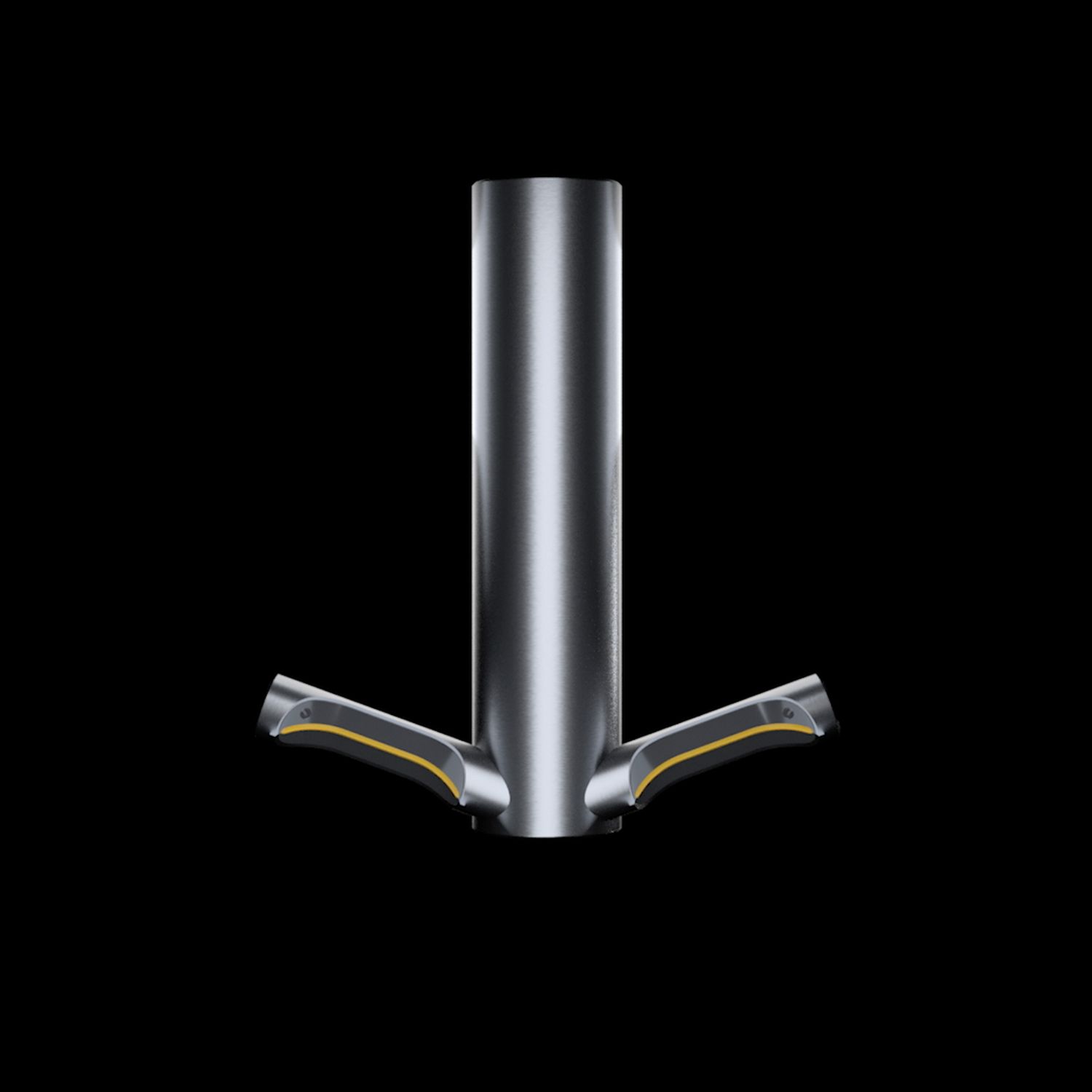
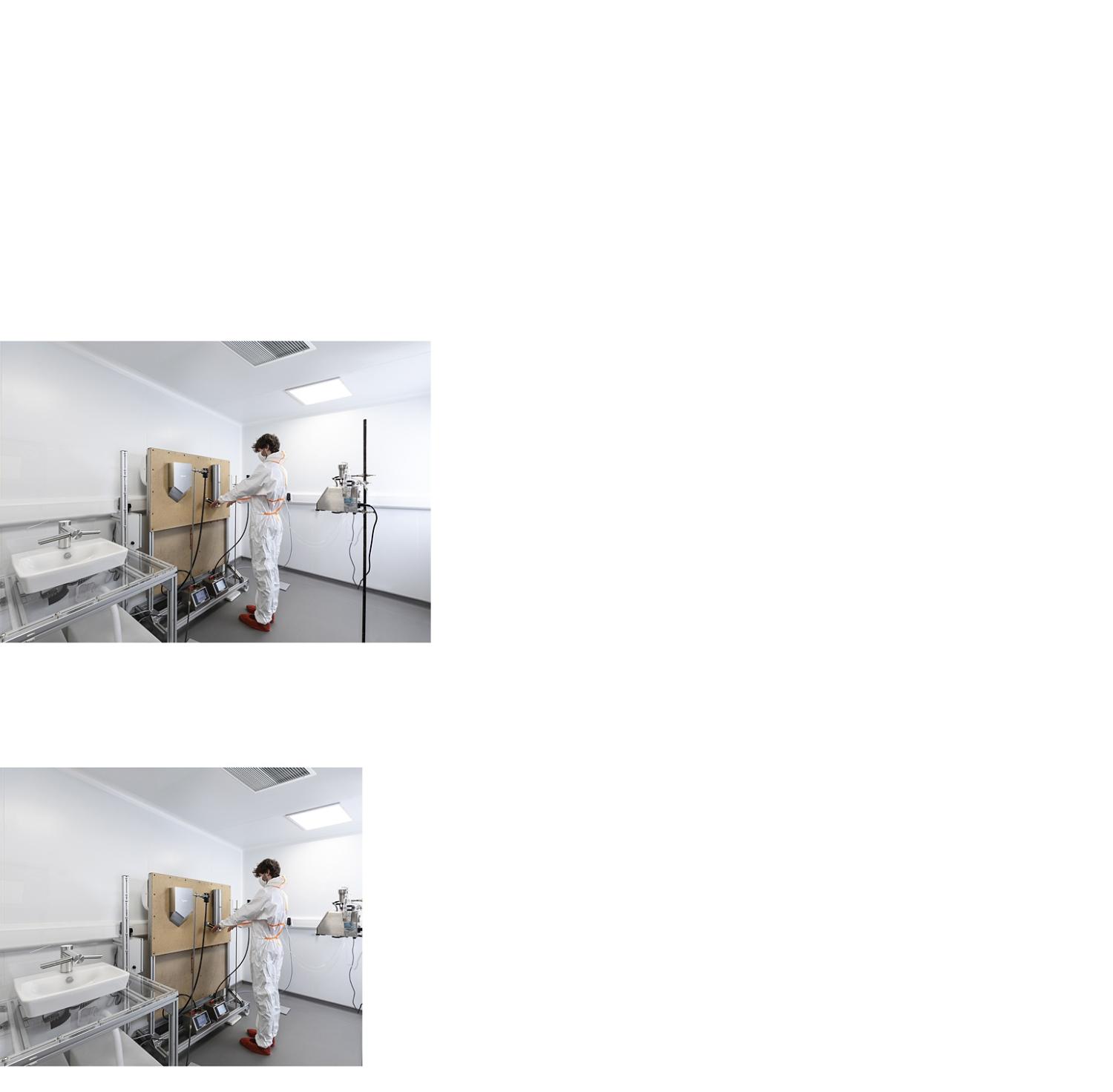
The first hands-under dryer certified as food-safe
When it comes to food preparation environments, there's nothing more important than food safety. That's why we engineered the Dyson Airblade 9kJ with hygiene and food environments in mind. In fact, the Dyson Airblade 9kJ is the first hands-under dryer to be HACCP International certified for use in food preparation environments.
This is a carousel with slides. Use Next and Previous buttons to navigate, or jump to a slide with the slide dots.
Case study
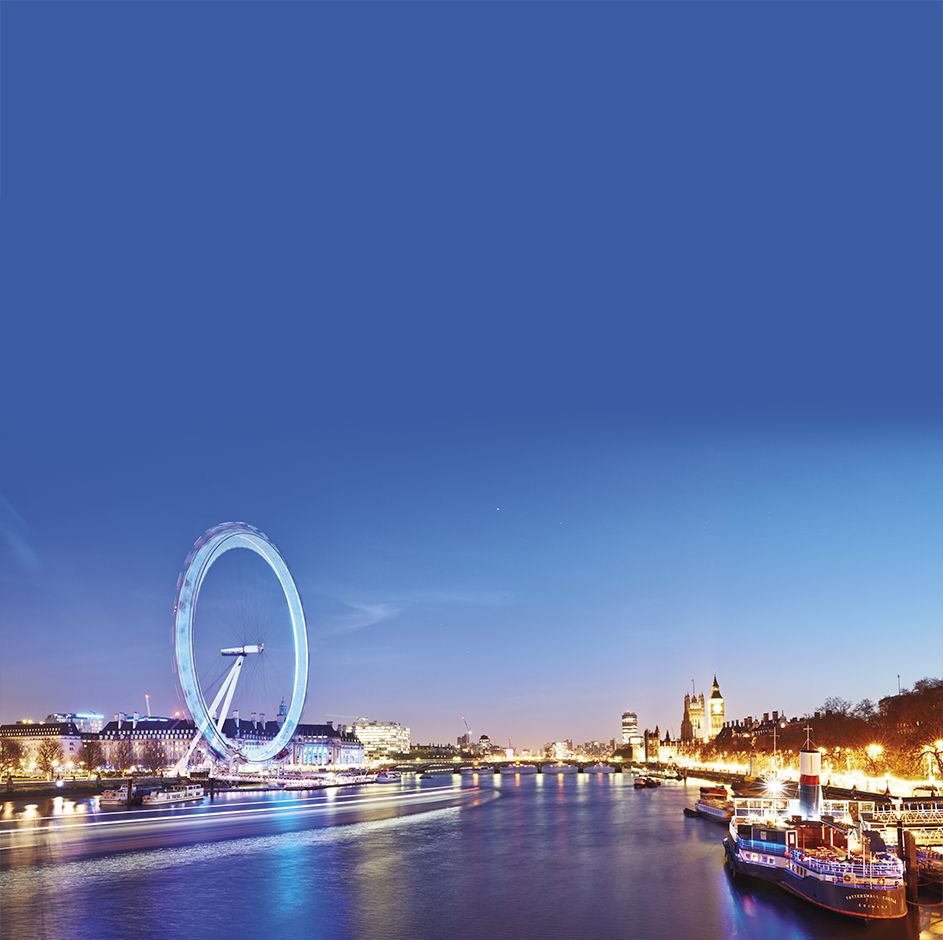
Coca-Cola London Eye
”Our Dyson Airblade hand dryers deliver a much more stylish, simpler washroom experience that fits with our cutting-edge brand.“ Davey Barrett, Show Services Manager, Coca-Cola London Eye
Case study
Coca-Cola London Eye
”Our Dyson Airblade hand dryers deliver a much more stylish, simpler washroom experience that fits with our cutting-edge brand.“ Davey Barrett, Show Services Manager, Coca-Cola London Eye
Case study
The View from the Shard
”The Dyson Airblade V hand dryers have a modern and sleek design that fits the general design of The View from The Shard very well.“ Sandy Clark, Operations Director, The View from The Shard

Case study
The View from the Shard
”The Dyson Airblade V hand dryers have a modern and sleek design that fits the general design of The View from The Shard very well.“ Sandy Clark, Operations Director, The View from The Shard
Case study
The O2
”At last, we're seeing our customers exit the toilets without wiping their hands on their own clothes!.“ Lee Lacey, Head of Building Services, The O2

Case study
The O2
”At last, we're seeing our customers exit the toilets without wiping their hands on their own clothes!.“ Lee Lacey, Head of Building Services, The O2


- 1 Average electricity price £ 0.1/kWh as of October 2021. For calculations visit www.dyson.co.uk/calc
- 2 Dry time and energy consumption calculated for Max mode. Dry time was determined using Dyson test method 769 based on NSF P335 to a measurement of 0.1 g residual moisture.
- 3 Suen et al. 2019 SR and based on bacteria in air and aerosols (0.3 to >5 microns) measured during hand drying in 28.5 m³ test chamber, in a study conducted by independent third-party laboratory.
- 4 Based on aerosolisation measured during hand drying. Testing conducted by independent third-party laboratory Airmid Healthgroup Ltd.
- 5 Average electricity price £0.1/kWh as of October 2021. See our calculations.


-
Dyson Airblade 9kJ
Latest technology
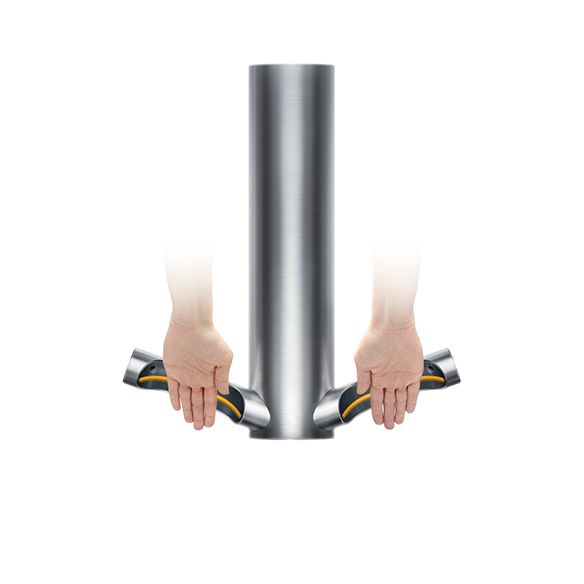 £999.00 (Excluding VAT)View product
 -
Dyson Airblade Wash+Dry
Capture water in the sink
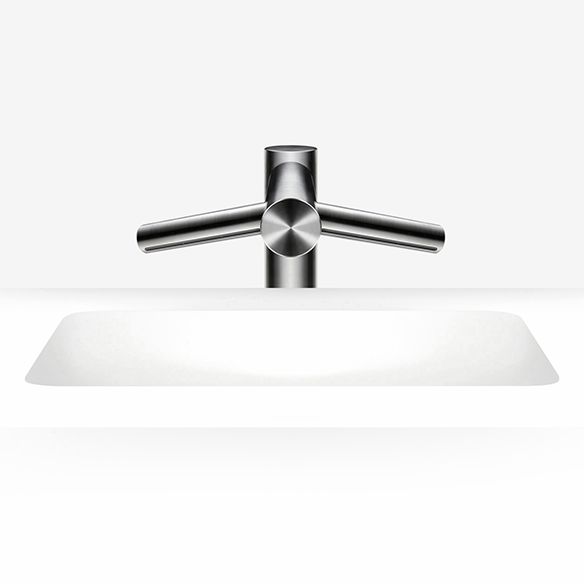 £1,249.99 (Excluding VAT)View product
 -
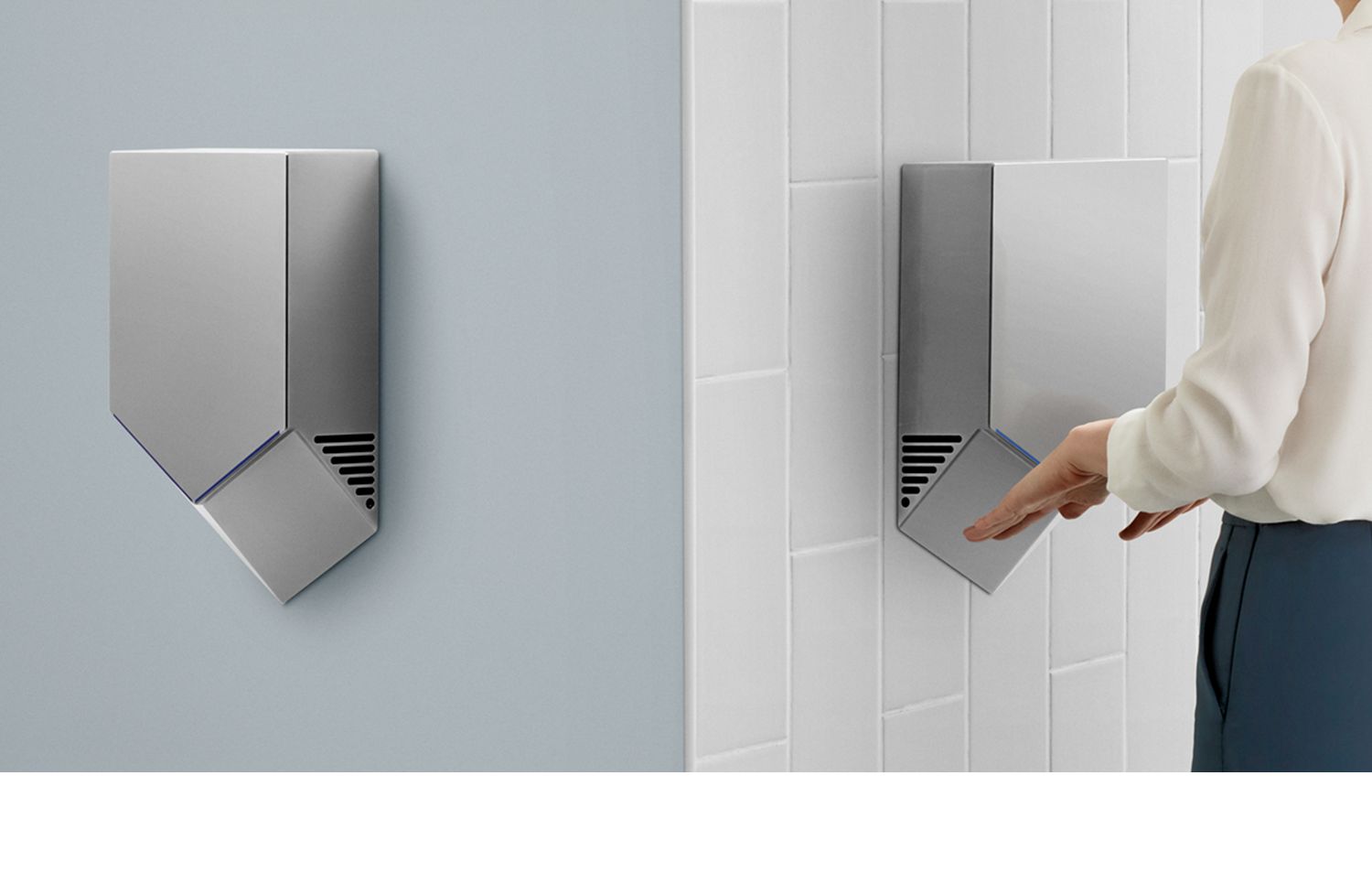
Dyson Airblade V
Compact
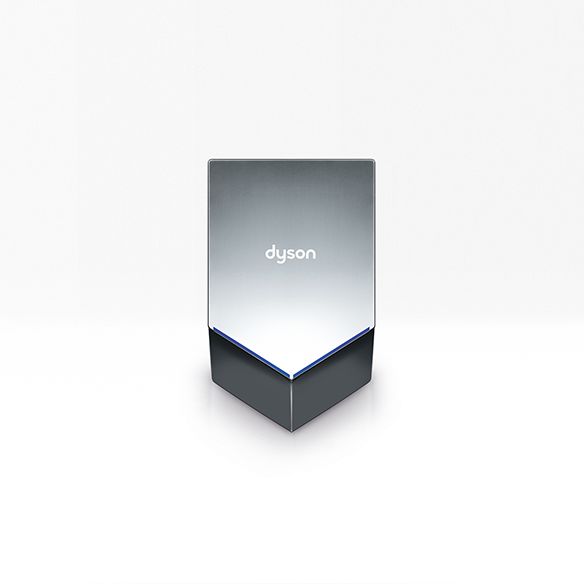 £769.99 (Excluding VAT)View product
Running cost (£/year)*
Paper towels cost £1,460 and warm air dryers cost £140 per year to run.
-
Dyson Airblade 9kJ
£19
(Eco mode)
-
Dyson Airblade Wash+Dry
£34
-
Dyson Airblade V
£31
HEPA filter particle capture
-
Dyson Airblade 9kJ
99.95%
-
Dyson Airblade Wash+Dry
99.95%
-
Dyson Airblade V
99.95%
Noise level
-
Dyson Airblade 9kJ
77 dB
(Eco mode)
-
Dyson Airblade Wash+Dry
81 dB
-
Dyson Airblade V
79 dB
5-year running cost savings (vs paper towels)
Dyson Airblade costs up to 99% less to run than paper towels.
-
Dyson Airblade 9kJ
Save up to
£7,205
(Eco mode)
-
Dyson Airblade Wash+Dry
Save up to
£7,130
-
Dyson Airblade V
Save up to
£7,145
5-year running cost savings (vs warm air dryers)
Dyson Airblade costs up to 86% less to run than warm air dryers.
-
Dyson Airblade 9kJ
Save up to
£605
(Eco mode)
-
Dyson Airblade Wash+Dry
Save up to
£530
-
Dyson Airblade V
Save up to
£545
Carbon emissions (gCO₂/dry)
Paper towels = 17.1 gCO₂/dry
-
Dyson Airblade 9kJ
2.1
(Eco mode) -
Dyson Airblade Wash+Dry
3.1
-
Dyson Airblade V
2.9
Carbon saved over 5 years vs paper towels (CO₂)
-
Dyson Airblade 9kJ
5,3 tonnes
(Eco mode) -
Dyson Airblade Wash+Dry
4,9 tonnes
-
Dyson Airblade V
5,0 tonnes
Dry time (in seconds)
Fast, hygienic performance with HEPA filter.
-
Dyson Airblade 9kJ
12
(Eco mode)
-
Dyson Airblade Wash+Dry
14
-
Dyson Airblade V
12
Certifications
Carbon Trust certifies that drying hands with Dyson Airblade has a lower carbon footprint per use than using warm air dryers or paper towels.
-
Dyson Airblade 9kJ
-
Dyson Airblade Wash+Dry
-
Dyson Airblade V
Quiet Mark is the independent, international approval award programme associated with the UK Noise Abatement Society charitable foundation. Through scientific testing and assessment, Quiet Mark identifies the quietest products in a given category giving consumers more informed choice about the products they buy.
-
Dyson Airblade 9kJ
-
Dyson Airblade Wash+Dry
-
Dyson Airblade V
HACCP (Hazard Analysis Critical Control Point) relates to the risk assessment and management methodology used in the food industry.
-
Dyson Airblade 9kJ
-
Dyson Airblade Wash+Dry
-
Dyson Airblade V

NSF Protocol P335: Hygienic Commercial Hand Dryers establishes health and sanitation requirements for hygienic hand dryers. This includes requiring hand dryers to dry hands completely within 15 seconds using air filtered with high-efficiency particulate air (HEPA) filtration, thereby removing 99.9% or more of airborne bacteria.
-
Dyson Airblade 9kJ
-
Dyson Airblade Wash+Dry
-
Dyson Airblade V
5-year guarantee
We don't stop caring about our machines once they're yours. We offer a guarantee on parts and labour.
-
Dyson Airblade 9kJ

-
Dyson Airblade Wash+Dry
-
Dyson Airblade V
- Dyson Airblade 9kJ Shop Airblade 9kJ Explore all
- Dyson Airblade Wash+Dry Shop Airblade Wash+Dry Explore all
- Dyson Airblade V Shop Airblade V Explore all
* For calculations visit www.dyson.co.uk/calcs